
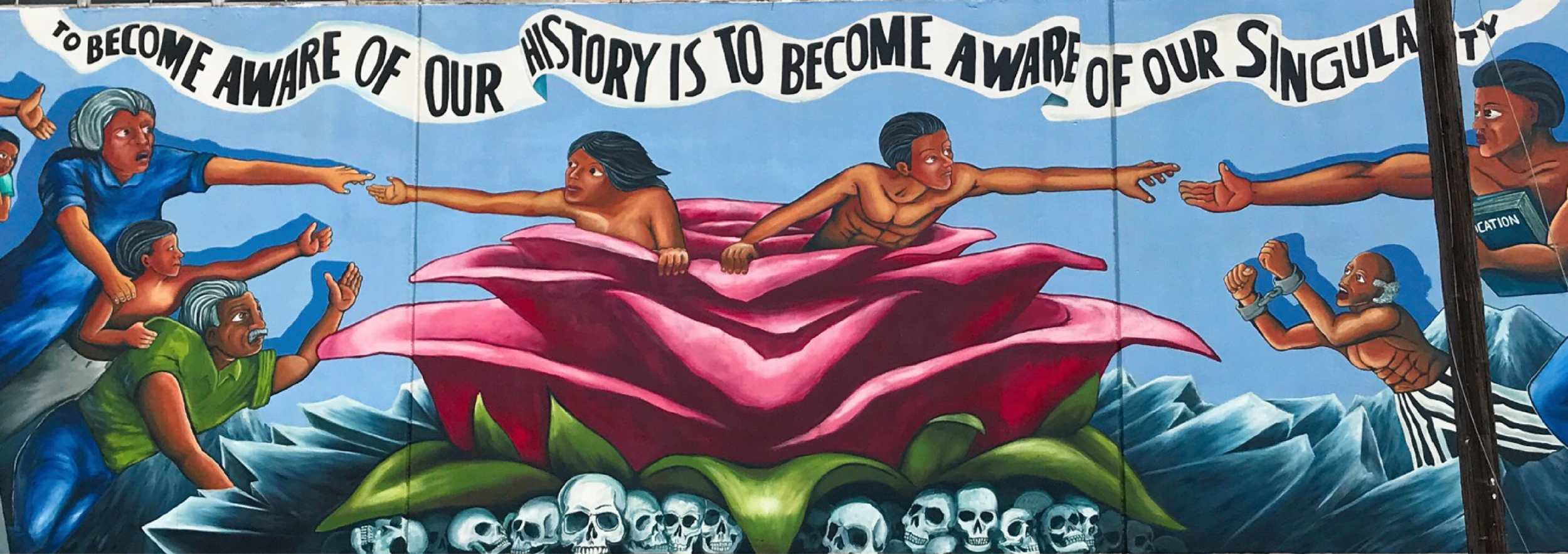
Last year, I spent time at the border and worked in a respite shelter for those processed by Border Patrol. I had a short taste of the routine of so many undocumented who get to our borders. People who I could recognize from my time in the barrios and fincas of Nicaragua, pueblos of El Salvador, and in restaurants and neighborhoods here in Houston. My friends. The Violetas, the Hector and Lydias and their daughter Ana, the Sofias and Hermindas, the Ramons and Don Davids. People who have taught me how to speak Spanish, to cook, to plant seeds, to understand the quiet languages of both people and plants, to stand up for myself, to bend rebar and make angled cuts and, really, how to put in perspective the privilege and responsibilities of what it means to be a citizen versus not having any papers, the random circumstance of being born in one place versus another.
If you didn’t know, the farm permeates a lot of what I’ve learned from these friends and continue to learn from those of them who are still in my life.
>
“Brene Brown writes that there’s a need in today’s world to move closer to people; because it’s much harder to hate up close. At its core there’s so much truth to this; that when you get so close to someone that you get to recognize and feel their humanity and struggles that the relationship can’t but change.For me, it’s hard to watch from afar at what’s happening along the border and not feel a need to do more, forgetting that there is still so much that can be done just blocks away from our farm. We get disoriented by the news that bombards us every day that immigration is a border issue. ”
To think that the problem is there is a great oversimplification of the grave situation that’s been created for so many people on both sides of the border and not just for the undocumented. Both sides of the political divide could benefit from taking some steps closer to each other. There’s so much more that can be done in our city and individual communities and if you’re like me and are looking for ways to do more or take a step closer please reach out: tgarciaprats@smallplaces.org
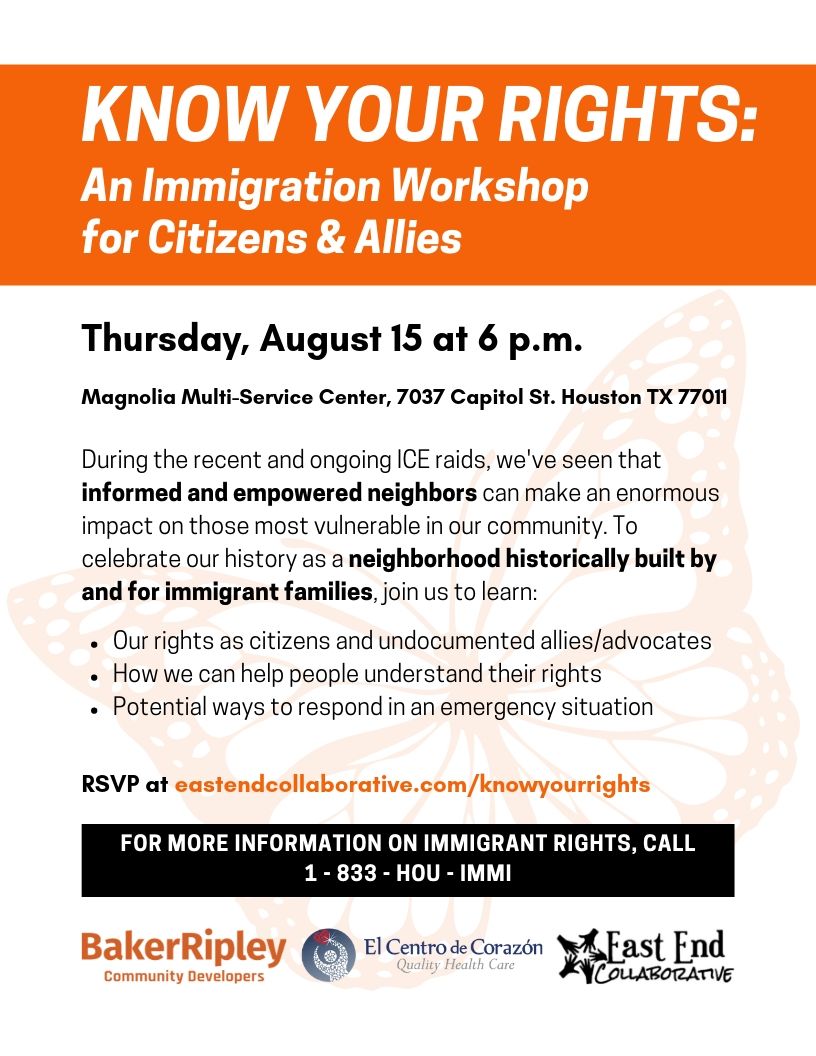
East End Unidos is hosting a “Know Your Rights” workshop this Thursday August 15th at 6pm at the Magnolia Multi-Service Center. Please make a commitment to attend and find ways that as a citizen or non-citizen you can be more empowered to know how to support other members of our neighborhood. Come open to meet others who care about getting closer.
Our farm wants to be a part of that story in our community. Of carving out ways to be closer. I want to be a part of creating welcoming places for friends whose names I already know and those whose I have yet to learn.