
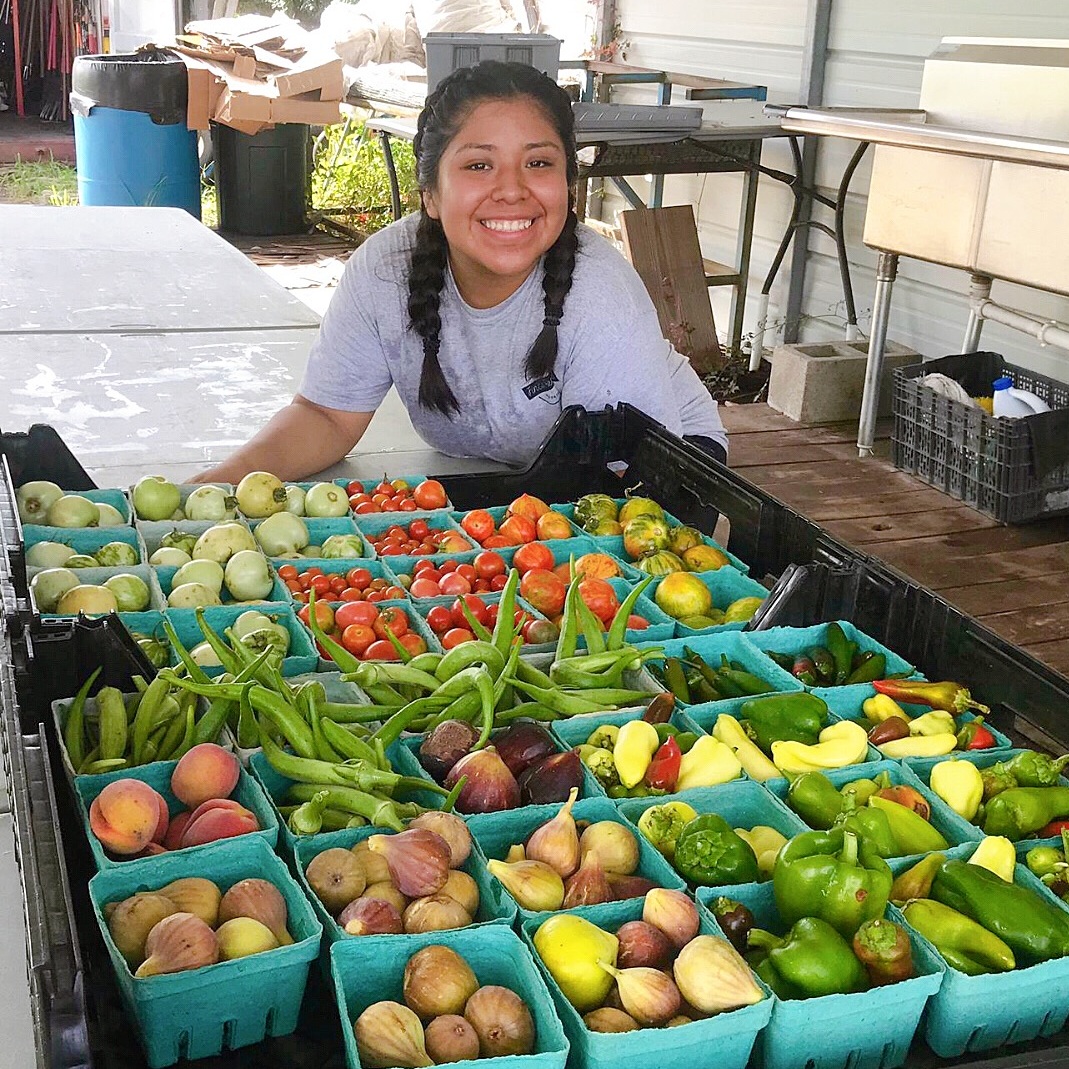
Meet Anita
Since July 25 marks National Intern Day, we’re taking the opportunity to thank and highlight our summer intern for all her hardwork!
Thank you to Anita for sitting down with us and sharing her thoughts on a day in the life of an intern, what she’s learned so far, and what she’ll take from Finca when the summer ends.
What’s your name and what’s your position at Finca Tres Robles?
My name is Anita Ponce and I am a summer intern from Milby High School. I came from the Peace Club at my school. My teacher Mrs. Verdin introduced me to this amazing opportunity.
What is a day in the life of an intern like and what’s the most interesting thing so far?
Today we harvested, prepared beds– which was kind of tough but I’m still learning. And it’s very interesting cause I’ve learned a lot!
>
“I didn’t know anything about where my food came from, we always used to go straight to the grocery store, but being here introduced me to a whole new aspect about where my food comes from.”
I get to see what farmers go through, and it’s rough! Especially in the summer since it gets really hot. But it’s really fun!. I got to meet new people. I haven’t helped out in a field trip yet, but hopefully next month!
Also working with tools that I had no idea existed! I had no idea there were flame weeders. Today I got introduced to a new one, I forgot the name of it, but it works with the drill, and I thought that was very cool. I drag it and it controls the plates in it when I pull a rope, it’s really cool.
What made you want to join Finca Tres Robles?
I’ve always wanted to have a strawberry farm and I told Tommy that when I started. I feel like this is a really good way to start and introduce myself to the farming world.
What made you want to join Finca Tres Robles?
I’ve always wanted to have a strawberry farm and I told Tommy that when I started. I feel like this is a really good way to start and introduce myself to the farming world.
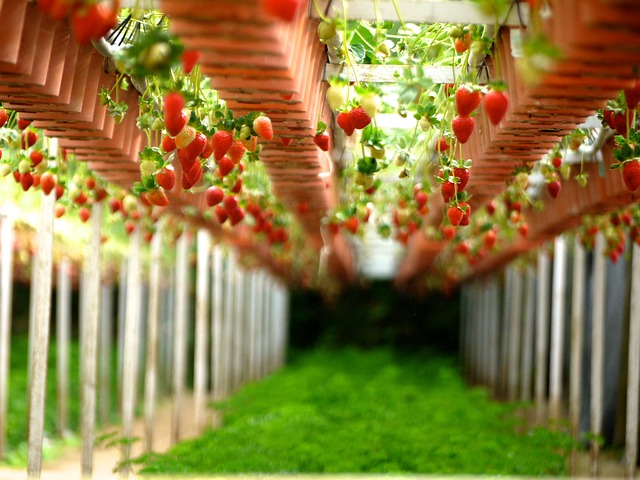
Why do you want to own a strawberry farm?
When I was a little girl, I was taken to a strawberry farm to pick my own. Seeing such a beautiful fields full of red and green colors fascinated me. Especially the sweet taste of the strawberries really impacted me on having my own farm.
What do you hope to gain from this internship?Experience and knowledge. I want to learn the tools and how to do things right. Since I want a strawberry farm, it would help me a lot to know how to do this and that, so I won’t be completely lost whenever I start. I’ll also be able to teach others as well. At school there’s a pease club where we plant and pull weeds, and I haven’t been here for very long, but I’ve already taught people some things I’ve learned here