Día del Voluntariado de Dow Chemical

por | 18 de junio de 2018 | Noticias

20180615_101251.jpg

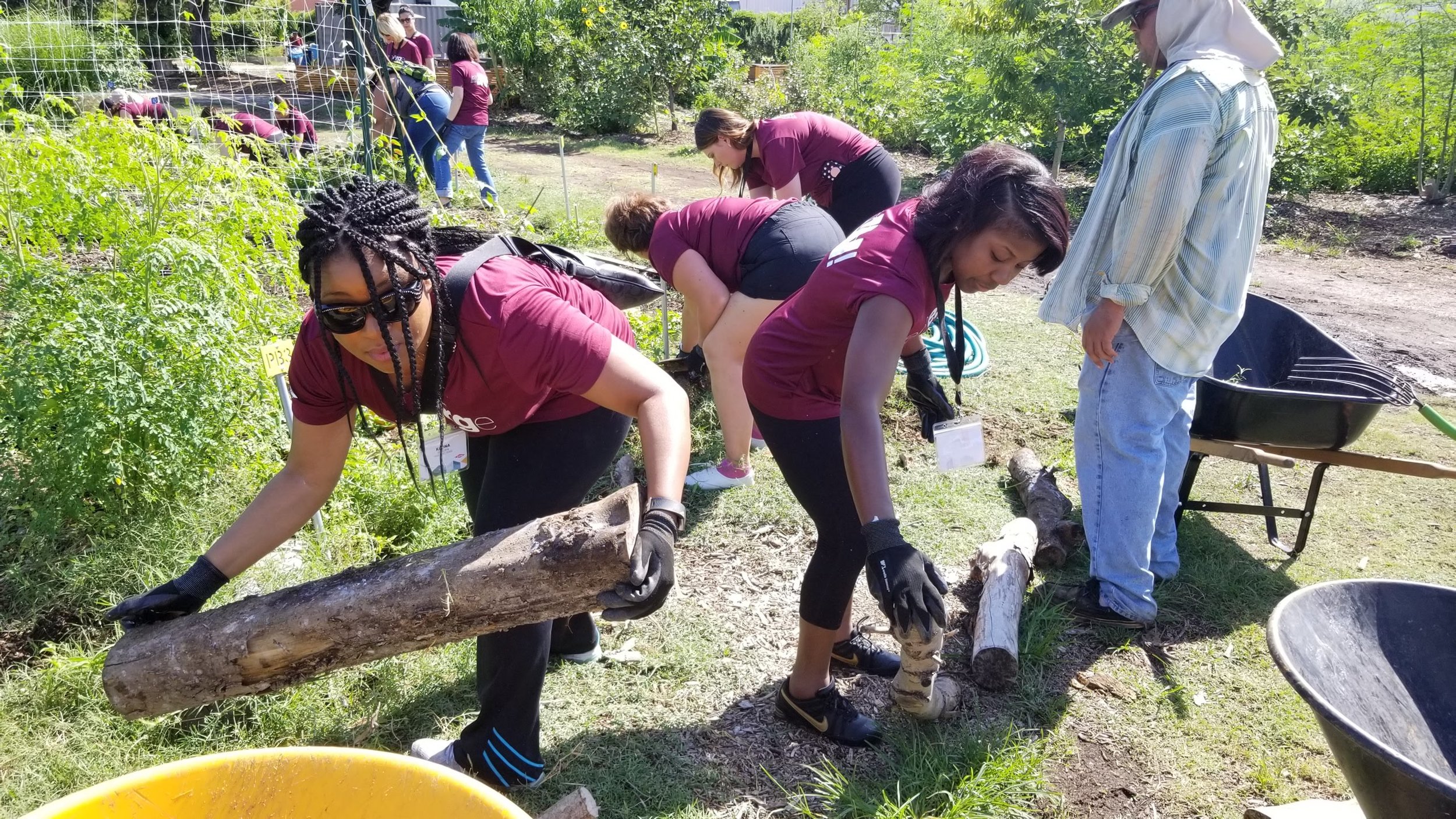
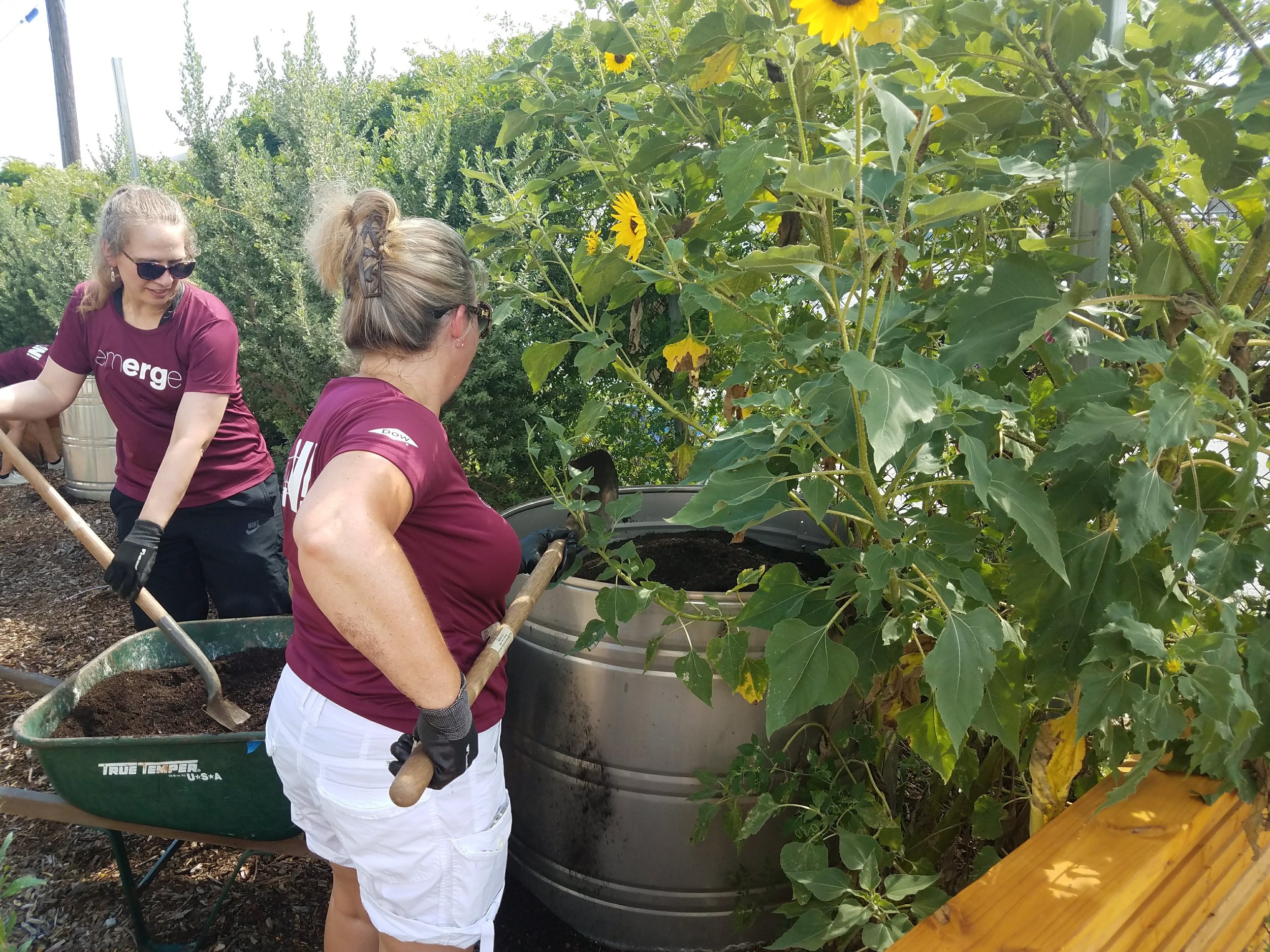
Química Dow tenía su Día de Servicio el viernes 15 de junio y envié un grupo de voluntarios para ayudarnos con algunos proyectos. Después de un recorrido y algunos antecedentes sobre la granja, los voluntarios se pusieron a trabajar ayudándonos a desmalezar nuestros campos, limpiar nuestras cercas, mejorar algunos jardines y construir nuestra nueva casa seca.

¡Fue un gran día y estamos agradecidos por el generoso tiempo y energía donados por los maravillosos voluntarios de Dow!
20180615_103415(0).jpg

35303809_10160860209140500_6785719560818393088_n.jpg


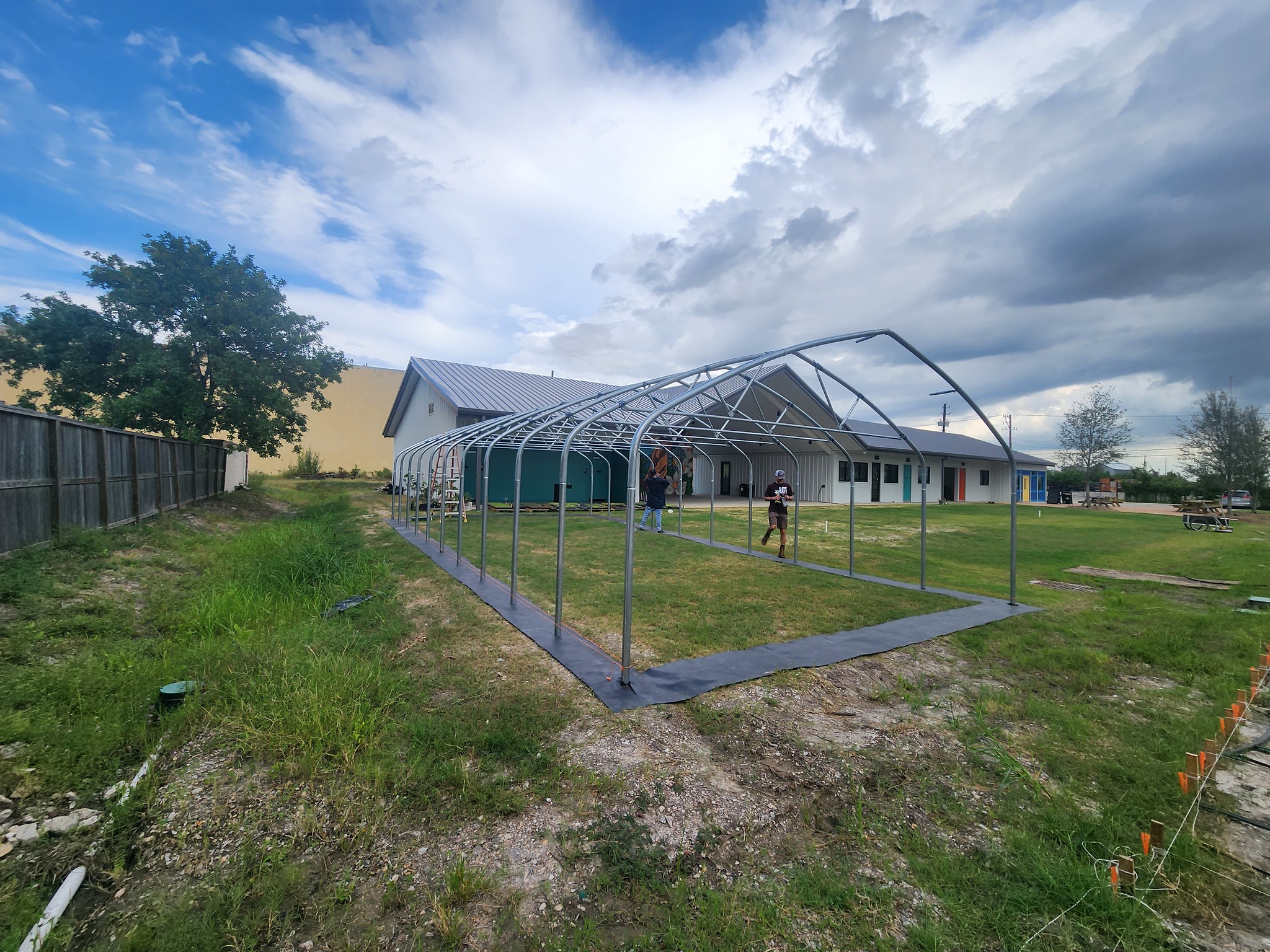
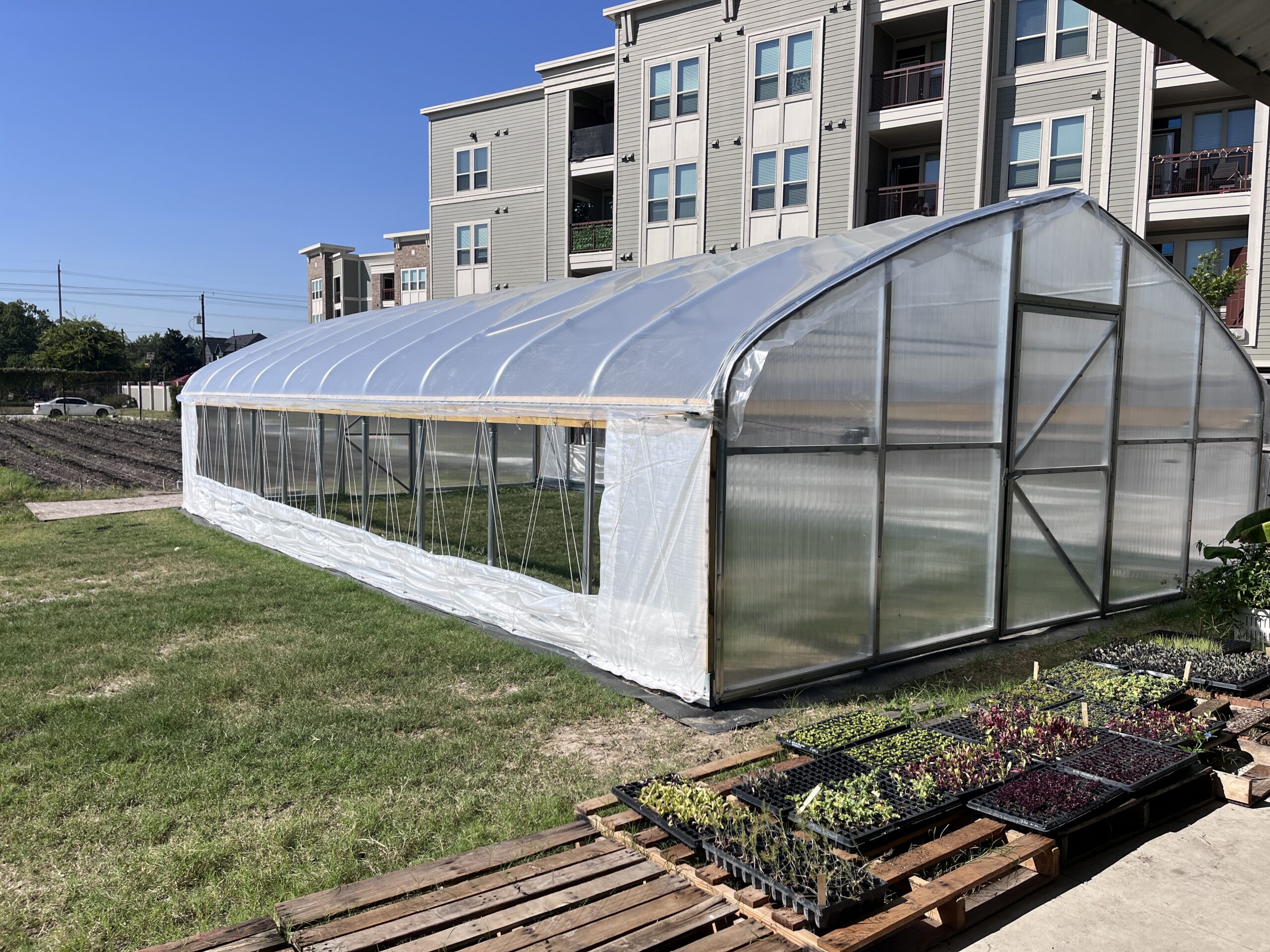
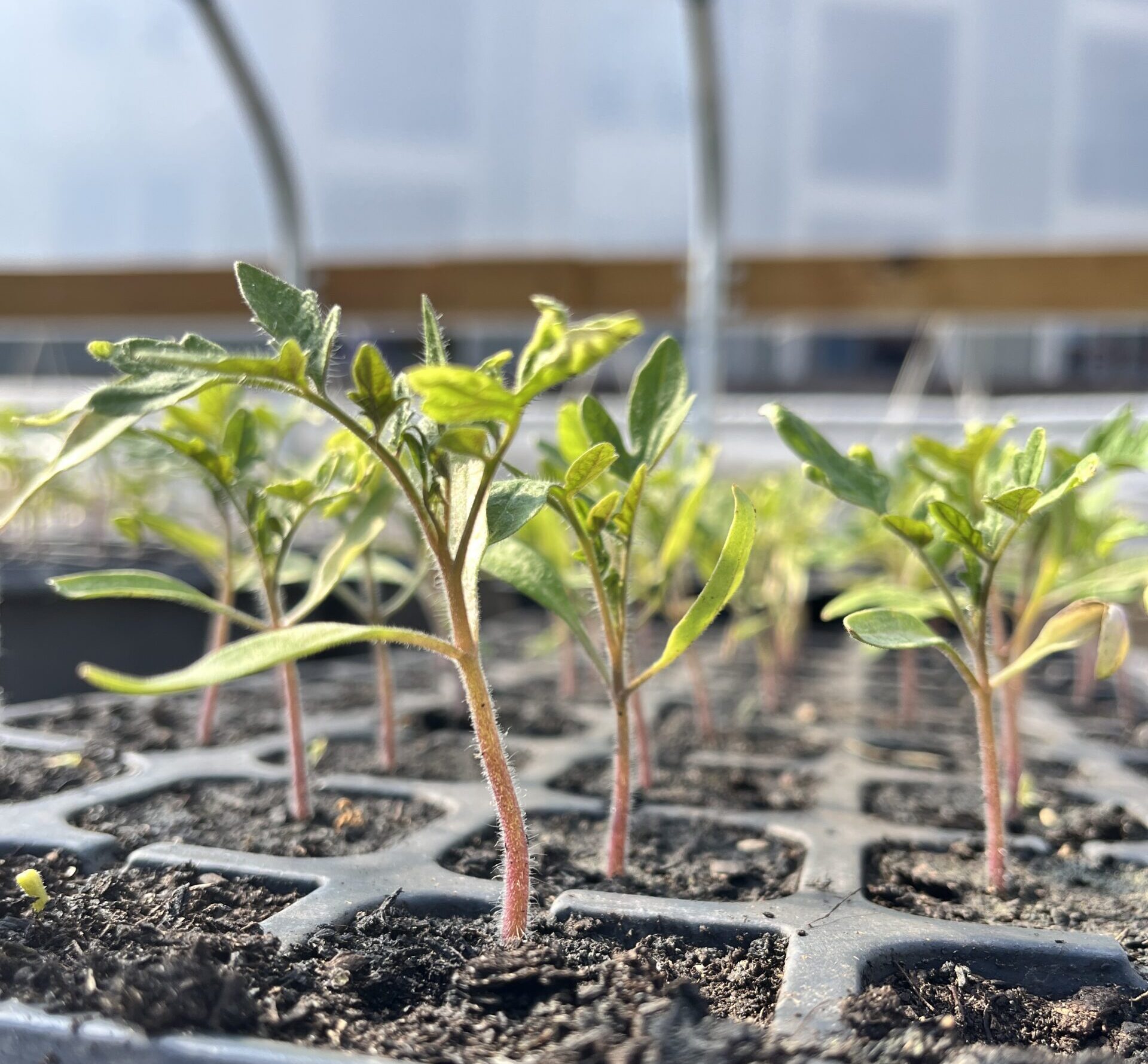
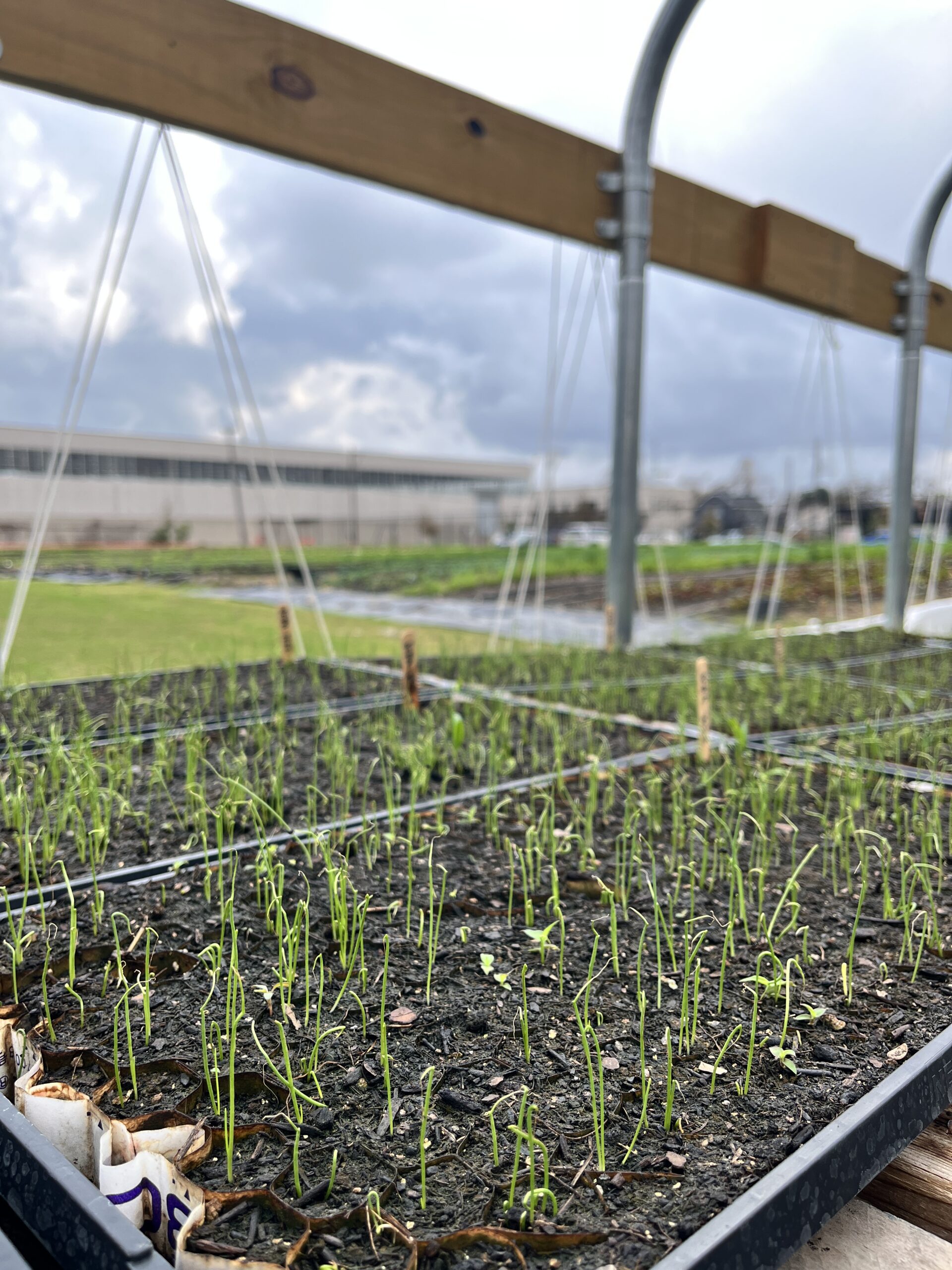
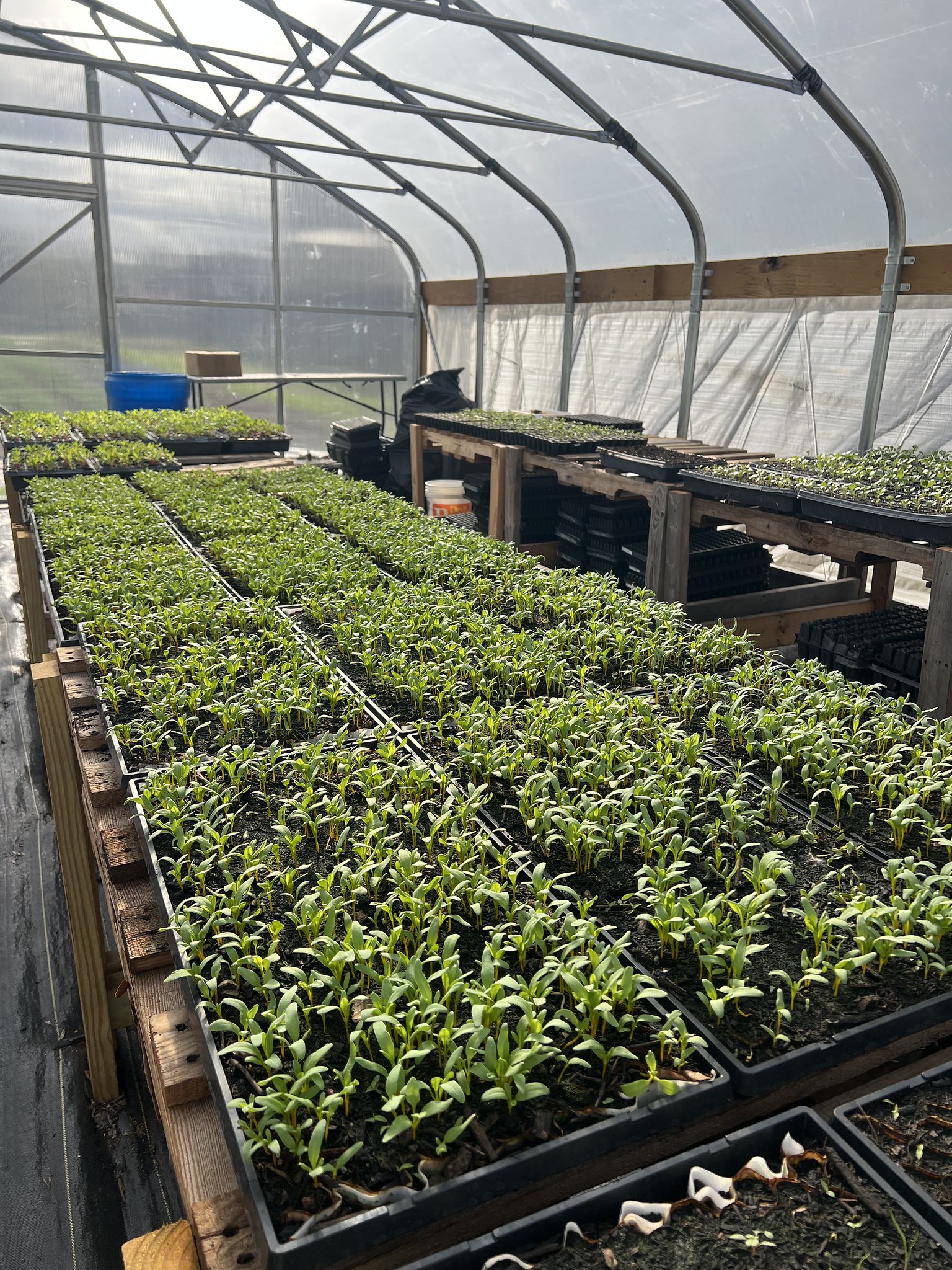
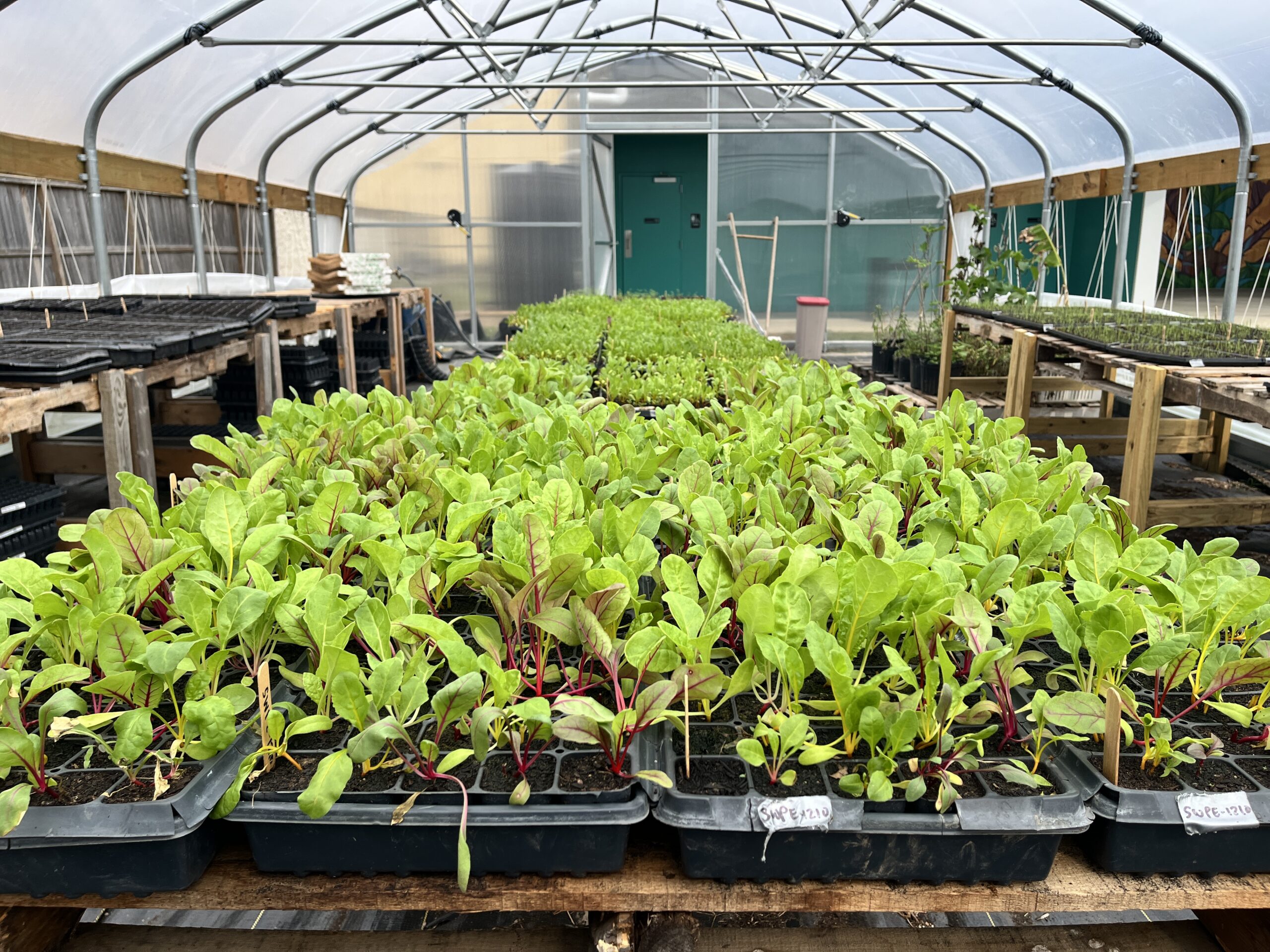
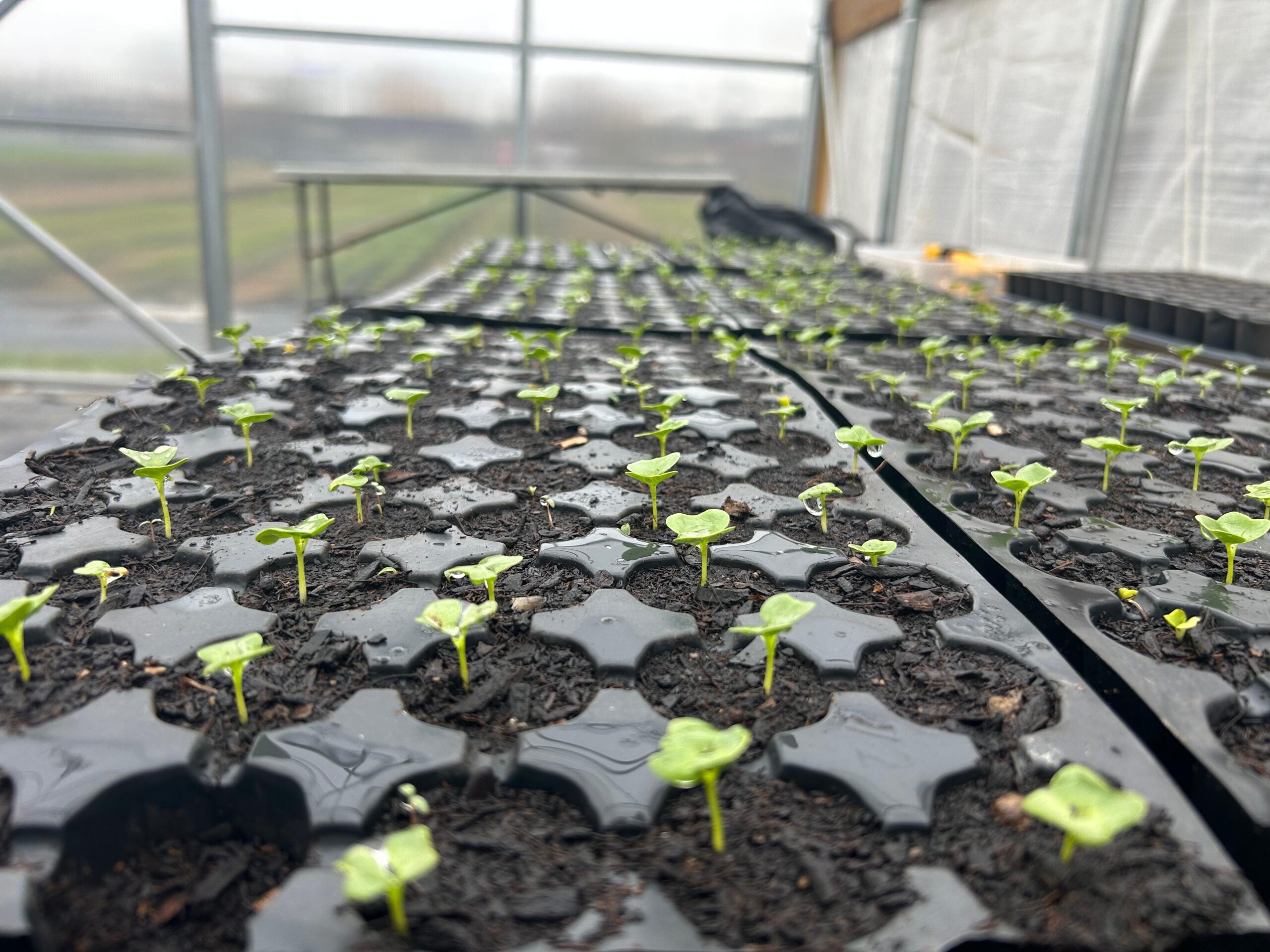
In September 2025, we started building out our greenhouse at Finca Tres Robles. In just a few short months, we have been able to grow multiple vegetable varieties and transplant them successfully into the fields, where they have grown and been harvested throughout the fall and winter months! 

How a greenhouse works

At its simplest, a greenhouse captures sunlight and holds warmth, creating a stable environment for plants to grow.

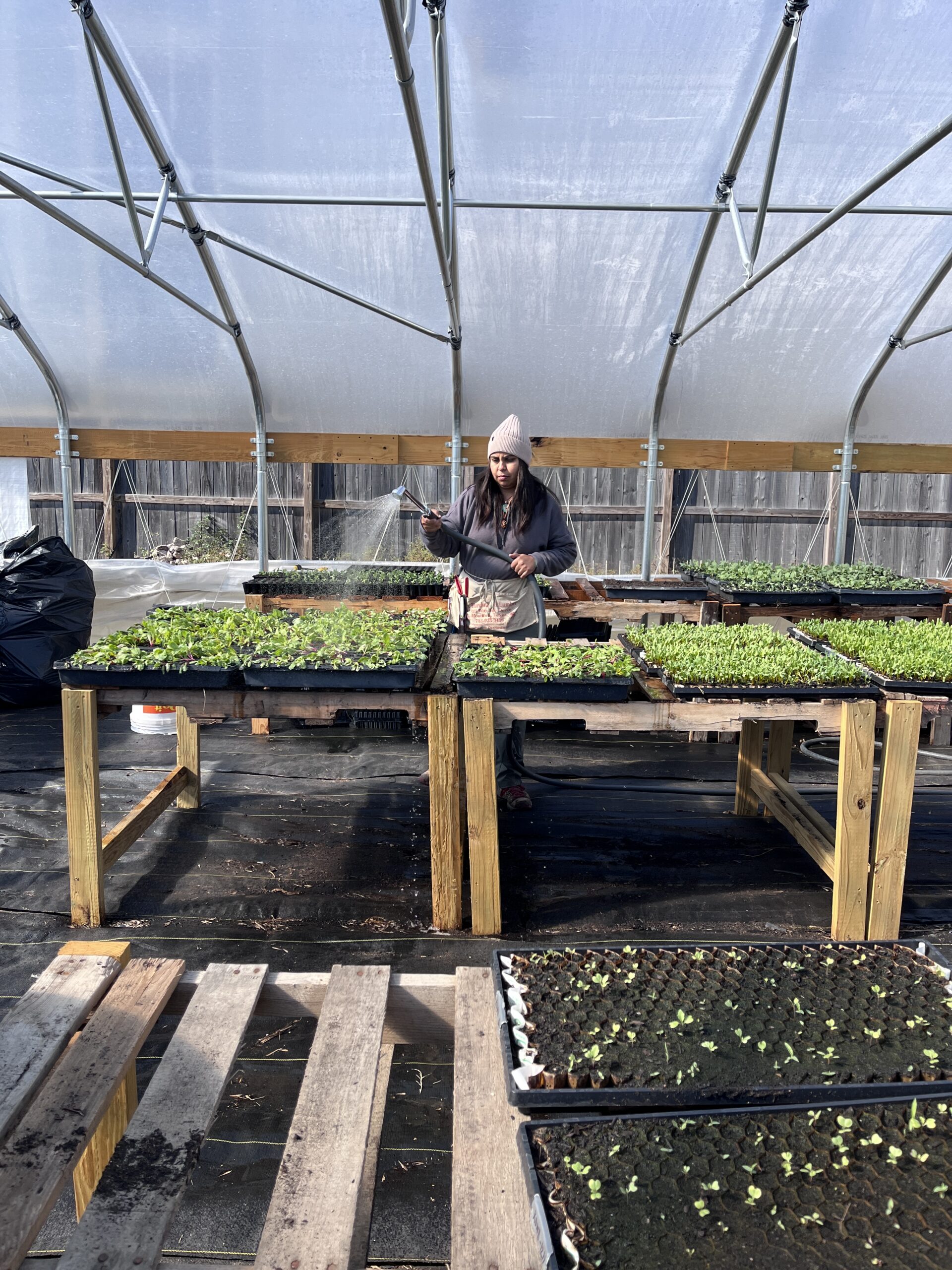
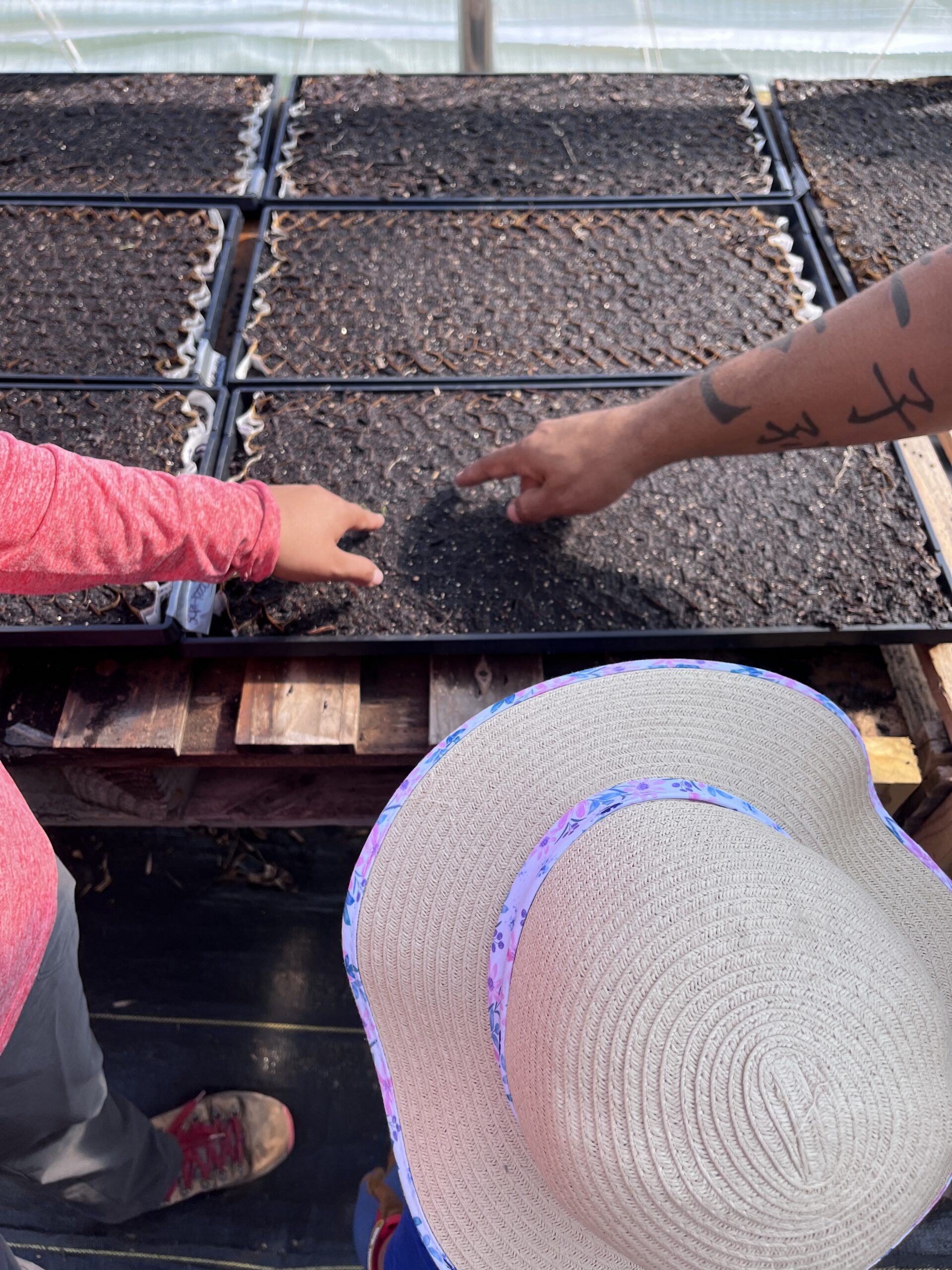
Inside, we manage temperature, airflow, water, and light to give seedlings exactly what they need at each stage.

greenhouses matter for small, high-impact farms

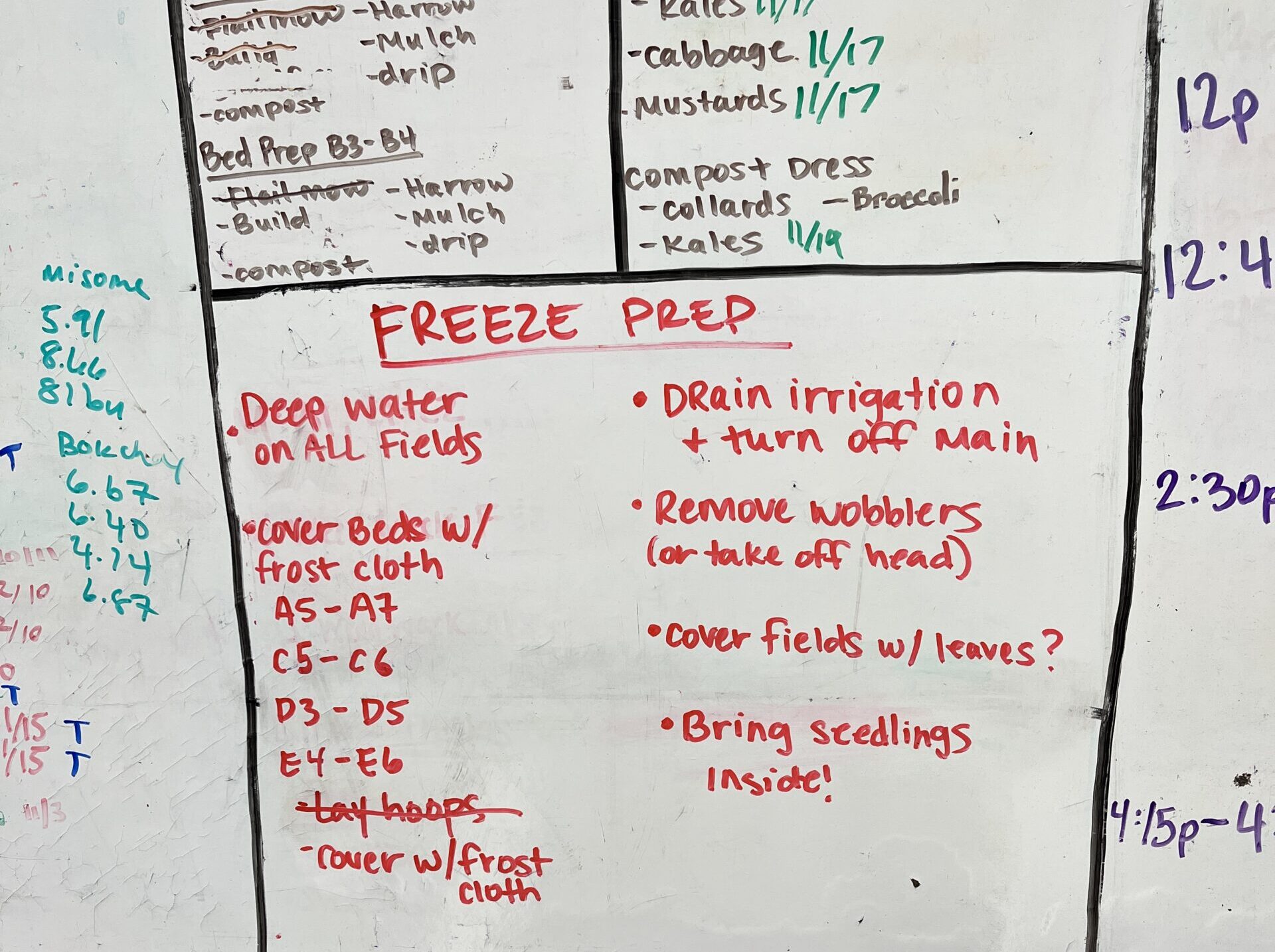
Greenhouses give small farms a head start. They allow us to grow more food in limited space by protecting young plants from cold snaps, heavy rains, and unpredictable weather.

It’s a balance of structure and attentiveness. Less about forcing growth, more about creating the right conditions for it to happen naturally.

How greenhouses help us plan and grow more effectively

The greenhouse is where planning becomes tangible. By starting plants early and in controlled conditions, we can make thoughtful decisions about timing, spacing, and crop succession long before seedlings reach the field. This early preparation helps us use our resources wisely and respond with flexibility as the season unfolds.

For a high-impact farm, this protection means resilience. We can extend our growing season, reduce losses, and steward our land more carefully while still feeding our community.

ES